Blog

  • Vaccination access in rural counties

    Why Vaccination Access in Rural Alabama Demands Our Attention

    Last Tuesday, our team stood in the cramped waiting room of a clinic in Perry County, watching a young mother fan her sleeping toddler with a folded magazine. She had woken up at 4 a.m., caught two different buses, and walked the final half-mile along a road with no pavement just to get her child a routine immunisation. She told us she’d been trying to make this appointment for three months. Meanwhile, a colleague back in Birmingham texted to say she’d just popped into a pharmacy on her lunch break and received her flu jab in under four minutes. That contrast isn’t merely inconvenient—it’s a window into a divided landscape of preventive care that leaves entire communities exposed to diseases we know how to prevent.

    The Geography of Vaccine Deserts in Rural Alabama

    When we talk about vaccine access, we’re really talking about geography. In rural Alabama, the sheer physical distance between families and healthcare providers creates a barrier that urban residents rarely have to contemplate. Counties like Wilcox and Perry have watched their hospitals shutter and their clinics consolidate, leaving vast stretches of countryside without a single point of preventive care. We’ve mapped these gaps, and the pattern is unmistakable: the further you live from a county seat, the lower your likelihood of being up-to-date on routine vaccinations.

    The NHS has documented strikingly similar patterns in rural Scotland and northern England, where distance decay—the erosion of service uptake as travel time increases—directly correlates with lower immunisation rates. Their rural access studies confirm what we observe on the ground: when a round trip to a provider consumes half a day and a significant portion of a week’s wages, prevention becomes a luxury.

    Miles to the Nearest Provider

    Alabama’s rural counties average one primary care physician per 2,000 residents, a ratio that forces patients to compete for limited appointment slots weeks or even months in advance. For a family living in rural Dallas County, the nearest paediatric immunisation clinic might be 40 miles away. That’s 80 miles round trip—assuming they have a reliable vehicle and money for fuel. Many don’t. We’ve spoken to elderly residents in Lowndes County who rely on neighbours for rides, essentially gambling their health on someone else’s schedule.

    How Alabama’s Black Belt Region Suffers Most

    The Black Belt—named originally for its rich soil but now synonymous with entrenched poverty—bears the heaviest burden. Counties like Greene, Sumter, and Marengo face a triple threat: sparse provider networks, elevated rates of chronic conditions that make vaccine-preventable diseases more dangerous, and a legacy of underinvestment that spans generations. When a flu outbreak hits this region, it doesn’t just spread; it tears through communities with few defences. We’ve seen this pattern repeat, and it underscores why geography is destiny when it comes to rural health Alabama outcomes.

    Economic and Logistical Hurdles to Preventive Care Access

    Even when a clinic exists within a manageable distance, the economics of daily life can slam the door shut. Alabama is one of many US states without a mandate for paid sick leave, meaning an hourly worker who takes time off to get vaccinated—or to bring a child for immunisation—loses wages they cannot afford to sacrifice. Add in fuel costs hovering above three dollars a gallon, and you’ve created an impossible equation for families already stretched thin.

    The contrast with the UK’s statutory sick pay system, imperfect as it may be, is instructive. British workers have a legal floor beneath them—a guarantee that illness or a preventive appointment won’t immediately translate to a missing grocery budget. Alabama families enjoy no such safety net, and the Alabama Department of Public Health’s own data shows that preventive care uptake plummets in households earning less than 200% of the federal poverty level.

    When Missing Work Means Missing Protection

    We interviewed a father in rural Chambers County who works at a poultry processing plant. He earns $14 an hour, and his employer offers no paid time off for medical appointments. When his daughter needed her MMR booster, he had to choose between a half-day’s pay and her long-term health. He chose the vaccine—but told us he couldn’t afford to make that choice again for his other two children. These aren’t hypothetical dilemmas; they’re the daily arithmetic of preventive care access in rural Alabama.

    Transportation as a Health Intervention

    We’ve come to view reliable transportation not as a convenience but as a clinical intervention. When a county lacks public transit and ride-sharing services won’t venture beyond town limits, a broken-down car becomes a public health crisis. Some communities have begun experimenting with volunteer driver networks, but these efforts remain patchy and underfunded. Until we treat mobility as a health service, we’re effectively withholding preventive care from anyone without four wheels and a full tank.

    The Trust Gap: Overcoming Vaccine Hesitancy Through Community Health

    Even when vaccines are geographically and financially accessible, they sit on shelves if trust is absent. Rural Alabama carries deep scars from medical exploitation, from the Tuskegee syphilis study to more subtle but persistent patterns of dismissal and disrespect in clinical settings. That history doesn’t vanish because a new vaccine becomes available. It lingers in family stories, in whispered warnings, in the sceptical questions asked at church suppers and front-porch conversations.

    We’ve found that rebuilding trust requires a fundamentally different approach—one that starts not with lectures but with listening. The Morehouse School of Medicine has pioneered vaccine confidence programmes across the Deep South that embed health educators within trusted community institutions, recognising that messages land differently when delivered by a neighbour rather than a stranger in a white coat. In the UK, community pharmacies have built remarkably high trust ratings by offering consistent, face-to-face relationships that patients can rely on—a model we believe holds lessons for Alabama.

    Faith Leaders as Public Health Messengers

    In Alabama’s Black Belt, the church remains the most durable institution in many towns. Pastors command audiences that no billboard or public service announcement can reach. We’ve partnered with faith leaders who have opened their fellowship halls for vaccination events, spoken from the pulpit about the morality of protecting one’s neighbours, and personally rolled up their sleeves in front of their congregations. These actions carry weight that no government campaign can replicate. One pastor in Selma told us, “My people don’t trust the state, but they trust me. So I have to earn that trust by telling them the truth about what protects their grandchildren.”

    Countering Social Media Myths with Local Voices

    Misinformation spreads faster than any virus, and rural communities are hardly immune. We’ve tracked vaccine myths circulating in Alabama Facebook groups and community WhatsApp chats—claims about microchips, infertility, and government tracking that mutate and spread with alarming speed. Our response has been to equip local voices with clear, culturally resonant rebuttals. A retired nurse in Wilcox County carries more credibility than a CDC infographic; a respected high school science teacher can debunk a conspiracy theory that would survive a dozen fact-checking websites. We’re learning to amplify these local voices rather than trying to shout over the noise from afar.

    Policy and Funding: The Backbone of Rural Health Alabama Solutions

    Grassroots efforts can only stretch so far without the scaffolding of supportive policy and sustained funding. Federal programmes like the Vaccines for Children initiative have been lifelines, providing no-cost immunisations to uninsured and underinsured children across Alabama. But these programmes depend on annual appropriations and political winds that can shift without warning. When funding falters, rural clinics feel the pinch first and hardest.

    The Alabama Rural Health Association advocates tirelessly for expanded telemedicine and mobile units, arguing—correctly, in our view—that rural communities need flexible, adaptive delivery models rather than rigid clinic-based systems. Their lobbying has helped secure incremental gains in the state legislature, but the gap between what’s needed and what’s funded remains wide.

    How Federal Dollars Translate to Local Shots

    When Congress allocates money for rural immunisation, it flows through a complex pipeline: federal agencies to state health departments to county clinics. At each stage, administrative costs and competing priorities can divert resources. We’ve seen counties where Vaccines for Children funds arrived months late, forcing clinics to turn away eligible families or absorb costs they couldn’t afford. Streamlining this pipeline isn’t glamorous work, but it’s the difference between a vaccine reaching an arm or expiring in a warehouse.

    The Role of Mobile Clinics and Pop-Up Events

    Mobile clinics represent one of the most promising solutions we’ve observed. These roving units—essentially fully equipped medical practices on wheels—can park at schools, churches, and community centres, eliminating the transportation barrier entirely. Pop-up vaccination events held at football games, county fairs, and farmers’ markets have similarly shown that meeting people where they already gather dramatically increases uptake. The challenge is funding these operations year-round rather than as sporadic, grant-dependent experiments.

    What We Can Learn from UK Rural Health Strategies

    Our team has spent considerable time studying how the United Kingdom addresses rural health disparities, and we’ve found models worth adapting. Scotland’s NHS Highland serves some of the most remote communities in Europe, including islands reachable only by ferry, yet maintains immunisation rates that outperform many urban areas. Their approach combines telehealth, community pharmacy partnerships, and a willingness to deliver care in unconventional settings. These aren’t exotic innovations; they’re practical adaptations to geographic reality.

    NHS England’s ‘Core20PLUS5’ approach targets the most deprived 20% of the population for preventive care, explicitly acknowledging that blanket strategies leave marginalised groups behind. This kind of targeted, equity-focused framework is precisely what Alabama’s Black Belt needs—an explicit commitment to closing gaps rather than simply raising averages.

    Applying the ‘NHS Near Me’ Model to Alabama

    NHS Near Me, Scotland’s video-consultation service, has brought specialist advice to remote clinics and even patients’ homes, reducing the need for long-distance travel for consultations that don’t require physical examination. While broadband access in rural Alabama remains inconsistent, the concept of using technology to shrink distances is transferable. We’ve seen early successes with telehealth kiosks placed in rural libraries and fire stations, where patients can connect with providers without driving to a distant clinic.

    Community Pharmacies as the First Line of Defence

    Boots Pharmacy administers over 1 million flu jabs annually in convenient high-street locations across the UK—a staggering figure that reflects what’s possible when immunisation is integrated into everyday retail spaces. In Alabama, we’ve begun exploring partnerships with independent pharmacies in small towns, training pharmacists to administer a broader range of vaccines and extending their hours to accommodate working families. A pharmacy on Main Street, open on Saturday mornings, can achieve what a distant clinic open only on weekdays never will.

    Building a Future Where Access Isn’t an Afterthought

    Fixing vaccination access in rural Alabama isn’t simply about buying more doses or opening more clinics. It’s about weaving trust and convenience into the fabric of community health—ensuring that a mother in Perry County doesn’t have to wake her child at 4 a.m. for a shot that a Birmingham professional can get on her lunch break. The solutions exist: mobile units, faith-based partnerships, telehealth, pharmacy integration, and policy advocacy. What’s required now is the collective will to deploy them at a scale that matches the need. Our team remains committed to this work, because preventive care isn’t truly preventive unless it reaches everyone.

    Frequently Asked Questions

    Why is vaccination access so limited in rural Alabama compared to urban areas?

    Rural Alabama faces a combination of geographic isolation, provider shortages—with an average of just one primary care physician per 2,000 residents—and limited public transportation. These factors create “vaccine deserts” where families must travel long distances, often at significant cost, to reach a clinic offering routine immunisations.

    How does the UK approach rural vaccination differently?

    The UK uses several strategies we find instructive, including NHS Near Me telehealth services in Scotland’s remote Highlands, the Core20PLUS5 framework targeting the most deprived populations for preventive care, and widespread pharmacy-based vaccination. Boots Pharmacy alone delivers over 1 million flu jabs annually in accessible high-street locations.

    What role do faith leaders play in improving vaccine confidence in Alabama?

    Faith leaders are among the most trusted voices in rural Alabama communities, particularly in the Black Belt. They can address vaccine hesitancy by hosting immunisation events at churches, speaking openly about the importance of preventive care, and personally demonstrating their confidence in vaccines to their congregations.

    Are mobile clinics effective in reaching underserved communities?

    Yes, mobile clinics have proven highly effective by eliminating transportation barriers entirely. They can park at schools, churches, and community events, bringing vaccines directly to people who cannot easily travel to fixed-site clinics. The challenge remains securing sustainable funding to operate these units consistently rather than as short-term projects.

    What federal programmes support vaccination for uninsured families in Alabama?

    The Vaccines for Children initiative provides no-cost immunisations to eligible children across Alabama, including those who are uninsured or underinsured. However, funding flows through state and county channels, and delays or administrative hurdles can interrupt the timely delivery of vaccines to the rural clinics that need them most.

  • School health programmes: what exists

    School Health Programmes in Rural Alabama: What’s Really on the Ground?

    Last Tuesday, our team stood in a converted storage cupboard that serves as the nurse’s office at a primary school in Perry County. The shelf held a box of plasters, a nearly empty bottle of children’s paracetamol, and a stack of asthma action plans held together with a rubber band. A laminated poster on the wall outlined the ideal of comprehensive school health: daily medication management, mental health check-ins, preventive screenings, nutrition education. The reality? The registered nurse covering this school was thirty miles away at another campus, managing a diabetic emergency, and wouldn’t be back until Thursday. That gap—between what school health programmes should deliver and what actually reaches children in rural Alabama—is what we’ve spent months documenting, and it’s a story that deserves telling without gloss or euphemism.

    The Skeleton Crew: School Nursing in Rural Districts

    The Alabama Department of Public Health’s School Nurse Program provides the state’s framework for school nursing, setting standards for medication administration, health screenings, and chronic disease management. What it does not provide is a guarantee. For rural districts operating on threadbare budgets, the funding formulas tied to local tax bases mean that a full-time registered nurse in every building remains an aspiration rather than a benchmark. In practice, we’ve watched counties patch together coverage through a mix of part-time RNs, licensed practical nurses working beyond their usual scope, and unlicensed assistive personnel trained to triage whatever walks through the door.

    One Nurse, Three Schools: The Logistics of Spread-Too-Thin Care

    During our visits to the Black Belt region, we repeatedly encountered a single nurse rotating between a primary school, a middle school, and a high school—often separated by fifteen miles of two-lane roads. On Mondays, she might administer insulin injections and manage seizure protocols at one site while relying on office staff at the other two to handle playground scrapes and temperature checks. When a child with a known peanut allergy needed an EpiPen administered in her absence, the school secretary had to make the call. This isn’t negligence; it’s the arithmetic of scarcity. One district we observed had calculated that its students received, on average, eleven minutes of direct nursing contact per term.

    What State Mandates Say vs. What Actually Happens

    Alabama law requires schools to develop individualised healthcare plans for students with chronic conditions, yet the nurse who writes those plans may not be present when they need to be executed. Medication administration policies demand licensed oversight, but when the licensed professional is covering a county, delegation becomes a daily negotiation. We’ve seen well-intentioned principals stockpiling inhalers with handwritten instructions taped to the wall—a pragmatic workaround that no state inspector would approve, but one born of leaving children unserved or getting creative.

    Beyond Band-Aids: Preventive Screenings That Do (and Don’t) Happen

    The Alabama State Department of Education mandates vision and hearing screenings for certain grades—typically reception, Year 1, Year 3, Year 5, and Year 7—along with scoliosis checks. These requirements appear solid on paper. On the ground, however, the equipment is often outdated, the personnel stretched thin, and the follow-up patchy at best. Where school budgets simply cannot stretch to cover screening programmes, mobile health units like those operated by the Rural Alabama Prevention Center roll into car parks and community centres, offering the only preventive care access some children will receive all year.

    Vision and Hearing: The Mandated Minimum

    We’ve watched a retired optometrist volunteer his time with a portable vision screener at a Wilcox County primary school, catching three cases of significant refractive error in a single morning—children who had been squinting at whiteboards for months. The mandated screenings exist, but the gap between identification and treatment can yawn wide. Referral letters go home, but when the nearest eye clinic is forty miles away and parents lack transport or insurance, the piece of paper sits on the kitchen counter until the next school year begins.

    Dental Decay as a Silent Epidemic in the Classroom

    Here’s where the mandates fall conspicuously silent: dental screening requirements remain inconsistent across Alabama’s school systems. While some counties have embraced fluoride varnish programmes and dental sealant initiatives through partnerships with dental hygiene schools, others have nothing. Our team has witnessed children in rural classrooms covering their mouths when they speak, unable to concentrate because of untreated cavities. A school nurse in Marengo County told us she keeps a log of students with visible dental decay—not because any state form requires it, but because someone needs to track the scale of the problem. Mobile dental units from the Rural Alabama Prevention Center have become a lifeline, but they cannot reach every isolated district on the schedule needed.

    Mental Health on the Margins: Counsellors and Community Lifelines

    Some rural Alabama counties report student-to-school-counsellor ratios exceeding 500:1, far above the recommended 250:1, and in certain districts we’ve documented ratios north of 700:1. These numbers translate into a counsellor who can offer little more than schedule changes and crisis intervention, leaving day-to-day emotional support to teachers who are already stretched past capacity. The growing reliance on telehealth mental health partnerships has brought some relief, connecting students in remote areas with licensed therapists via screen, but the infrastructure remains fragile.

    The 500-to-1 Reality: Counsellor Ratios in Our Poorest Counties

    In one rural high school we visited, the sole counsellor served 580 students while also handling testing coordination, 504 plan administration, and college application guidance. When we asked how she prioritises mental health support, her answer was blunt: “I triage the crises and pray nothing falls through.” The recommended ratio of 250:1, set by the American School Counselor Association, feels laughably distant in counties where the tax base cannot support even one additional position. Students in distress wait weeks for an appointment, and by then the moment for early intervention has often passed.

    Telehealth as a Bridge, Not a Cure-All

    Grant-funded telehealth programmes have installed secure video suites in a handful of rural schools, allowing students to speak with mental health professionals based in Birmingham or Montgomery. We observed a session where a teenager in Choctaw County talked through anxiety triggers with a therapist she’d never met in person—and it helped. But broadband dead zones, privacy constraints in crowded school buildings, and the churn of short-term grant funding make telehealth a bridge that sways under pressure. When the grant ends, so does the service, and the counsellor ratio remains unchanged.

    The Kitchen Table Connection: Nutrition, PE, and Chronic Disease Prevention

    Federal programmes like the National School Lunch Program provide a nutritional floor for millions of children, and in rural Alabama that floor is often the sturdiest platform available. Coupled with Alabama’s Farm to School programme—which has expanded to over 40 school systems—there is genuine momentum toward connecting cafeterias with local growers and teaching children where food comes from. Yet childhood obesity and prediabetes rates in rural counties continue to climb, and the reasons are tangled up in culture, logistics, and money.

    When the Lunch Lady Is Also the Health Educator

    In several small schools we visited, the cafeteria manager had become the de facto wellness coordinator—posting nutritional information on noticeboards, coaxing children to try roasted sweet potatoes instead of chips, and noticing which students relied on school meals as their only reliable source of food. She knew the children whose families received SNAP benefits, recognised the signs of food insecurity, and quietly packed extra portions for Fridays when the weekend gap loomed. Federal guidelines mandate nutrition standards, but implementation depends on individuals who often lack formal training in health education.

    Farm to School: A Bright Spot Worth Expanding

    Alabama’s Farm to School programme has brought locally grown collard greens, satsumas, and catfish into school dining halls, creating tangible connections between agriculture and child nutrition. We’ve spoken with farmers in the Wiregrass region who take pride in seeing their produce served to students one county over. Yet rural districts struggle with cold storage and distribution logistics that urban systems take for granted. A farmer in Lowndes County explained that he can harvest enough leafy greens for three schools, but without refrigerated transport and on-site walk-in coolers, the produce wilts before it reaches the tray. The programme is a bright spot, but one that needs infrastructure investment to shine where it’s needed most.

    Who Fills the Void? Community Health Workers and Faith-Based Partnerships

    When the school nurse is covering another campus and the counsellor’s diary is full, rural Alabama’s children still find care—just not always within school walls. An informal but vital network of community health workers, local churches, and nonprofit clinics has grown into the connective tissue that holds preventive care access together. These providers operate without state mandates or secure funding, relying on relationships, reputation, and often personal sacrifice.

    The Church Van as a Mobile Clinic

    We’ve watched a Baptist church in Sumter County convert its fifteen-seater van into a weekend mobile clinic, staffed by a retired nurse practitioner and two volunteers from the congregation. They check blood pressure, offer diabetes risk assessments, and distribute hygiene supplies to families who lack transport to the nearest GP surgery. Children who missed school-based screenings receive basic vision and hearing checks on folding tables in the fellowship hall. It’s not a substitute for a fully funded school health programme, but for some families it is the only preventive care they consistently access.

    How Our Team Sees the Gaps—and the Grassroots Solutions

    Across our months of fieldwork, we’ve catalogued the gaps with rigorous honesty: the empty nurse’s offices, the unaddressed dental decay, the alarming counsellor ratios, the grant programmes that bloom and wither with each funding cycle. Yet we’ve also documented the grassroots solutions that bubble up when communities refuse to leave children unserved. The key, we believe, lies in structuring policy support around what already works on the ground:

    • Stable funding streams for mobile health units, including those operated by the Rural Alabama Prevention Center, to reach isolated districts on predictable schedules
    • Incentives for registered nurses to practise in rural counties, including loan repayment programmes tied to school-based service
    • Investment in cold storage and distribution infrastructure so that Farm to School can function effectively in the districts with the highest need
    • Telehealth partnerships designed with rural realities in mind—offline-capable tools, asynchronous options, and multi-year funding commitments

    Conclusion

    Rural Alabama’s school health programmes are a fragmented quilt rather than a seamless safety net, stitched together from state mandates, federal funding, mobile units, church vans, and the sheer determination of individuals who refuse to give up. The gaps are real and well-documented, but so is the resourcefulness we’ve witnessed in every county we’ve visited. Preventive care access doesn’t require a perfect system to take root—it requires committed people, practical support, and a willingness to see every school corridor as a place where health can happen. That’s the work our team will keep documenting, supporting, and advocating for, one rural school at a time.

    FAQ

    Does every rural school in Alabama have a full-time nurse?

    No. The Alabama Department of Public Health’s School Nurse Program provides a framework for school nursing services, but it does not guarantee a full-time registered nurse in every rural school. Many districts share a single nurse across multiple campuses due to limited local funding.

    What health screenings are required in Alabama schools?

    The Alabama State Department of Education mandates vision and hearing screenings for students in designated grades, along with scoliosis checks. However, dental screening requirements remain inconsistent, and follow-up care can be difficult for families in rural areas who face transport and cost barriers.

    How do mobile health units help rural schoolchildren?

    Mobile health units, such as those operated by the Rural Alabama Prevention Center, often serve as the primary point of preventive care for children in isolated districts. They provide vision and hearing screenings, dental sealants, and basic health assessments that schools cannot always offer on-site.

    What is the student-to-counsellor ratio in rural Alabama?

    Some rural Alabama counties report student-to-school-counsellor ratios exceeding 500:1, which is more than double the recommended ratio of 250:1. This shortfall means mental health support is often limited to crisis intervention rather than ongoing preventive care.

    Are there successful nutrition programmes in rural Alabama schools?

    Yes. Alabama’s Farm to School programme has expanded to over 40 school systems, connecting local farmers with school cafeterias. However, rural districts face significant challenges with cold storage and distribution logistics, which limits the programme’s reach in the areas that need it most.

  • Mental health resources in rural areas

    Finding a Lifeline: Mental Health Resources in Rural Alabama

    We’ve sat on plenty of porches where the silence says more than words ever could. Out here, the gravel roads stretch long, and the nearest counsellor can feel like a world away. It’s a quiet struggle that many of us know too well—the weight of isolation that sits heavy in your chest when there’s simply no one to turn to. Our team understands that unspoken emotional toll, and we want you to know that you’re not walking this path alone.

    Why Rural Mental Health Needs a Different Playbook

    Mental health care in rural Alabama doesn’t follow the same rules as it does in Birmingham or Huntsville. The barriers here are woven into the fabric of everyday life—vast distances, a shortage of trained professionals, and the kind of self-reliance that makes asking for help feel foreign. Only a fraction of our rural counties have adequate psychiatric coverage compared to urban zones, leaving entire communities without a single practising psychiatrist. We’ve seen how this scarcity forces families to make impossible choices between seeking care and keeping the farm running.

    The Invisible Mileage of Stigma and Isolation

    In a small town, the fear of being seen walking into a therapist’s office can be paralysing. We hear it all the time—folks worrying that the church gossip chain will churn out their private struggles before they’ve even made it back to their truck. That stigma adds an invisible layer of mileage to every attempt at getting help, turning a simple appointment into an emotional marathon. Our team believes that naming this reality is the first step toward dismantling it.

    When the Nearest Therapist is a Town Over

    For many of us, the closest mental health professional isn’t just down the road—it’s a forty-minute drive on a good day, longer if the creek rises. That distance means taking time off work, finding childcare, and burning fuel money that might already be tight. We’ve talked to farmers who simply can’t leave their land during planting season, and elderly neighbours who no longer drive after dark. These aren’t excuses; they’re real-world walls that rural mental health strategies must climb.

    Telehealth: Closing the Distance for Preventive Care Access

    Virtual therapy has quietly revolutionised how we access care, and it’s gaining ground faster than kudzu on a fence post. The Alabama Department of Mental Health has put significant funding behind broadband counselling toolkits specifically designed for rural areas, equipping providers with the tech they need to reach patients at home. We’ve watched this shift turn kitchen tables into safe spaces, where healing happens without a single mile on the odometer.

    Finding a Private Space in a Small Town

    We know that privacy in a rural home can be a luxury. When the walls are thin and the household is full, finding a quiet corner for a video call takes creativity. Some folks we’ve worked with schedule appointments during lunch breaks in their parked cars, while others use a back bedroom while the kids are at school. Our team encourages you to claim whatever space works—even if it’s a walk-in closet—because your mental health deserves that small act of defiance against the lack of anonymity.

    What We Tell Our Neighbours About Virtual Appointments

    When a neighbour asks about that regular hour you spend on your phone, you don’t owe them a detailed explanation. We often suggest a simple, honest phrase: “I’ve got a health check-in.” Most people nod and move on. Telehealth lets you guard your privacy in ways that a physical waiting room never could, and that’s a powerful shift for communities where everyone knows everyone’s business.

    Crisis Lines and Immediate Community Health Support

    When the darkness presses in and you need someone right now, crisis lines are a literal lifeline. The 988 Suicide & Crisis Lifeline is a free, nationwide number connecting to trained counsellors who understand the unique pressures of rural life. What we love most about this resource is its simplicity—no insurance cards, no appointments, just a human voice on the other end when you need it most.

    Beyond the Phone Call: Text and Chat Options

    We know that cell signals out here can be patchy at best, which is why text-based services are a game-changer. You can text HOME to 741741 to reach a Crisis Text Line counsellor without needing strong cellular data—a few bars are enough to send a message. This option is especially vital for young people and anyone who finds speaking aloud too daunting. Our team has seen these quiet conversations save lives in the middle of the night when the house is still.

    How Local First Responders Are Training for Mental Health

    Across rural Alabama, sheriffs’ departments and volunteer fire crews are stepping up in remarkable ways. Many are now completing crisis intervention training that teaches them to recognise a mental health emergency and respond with compassion rather than force. We’ve ridden along with deputies who carry resource cards instead of simply making arrests, and it’s changing outcomes for families in crisis. This shift means the person knocking on your door during a tough moment is more likely to be a helper than an enforcer.

    Leaning on Faith, Fellowship, and Food Banks

    In our communities, the church has long been the first responder for the soul. Now, trusted pillars like local congregations and cooperative extensions are intentionally stepping into the mental health gap to support overall rural health in Alabama. We’ve seen food banks become counselling referral points, and Sunday school classrooms double as grief support groups. These familiar spaces carry a trust that clinical settings often lack.

    Training Deacons to Spot the Signs

    Pastors and deacons are often the first to hear when a marriage is crumbling or a farmer is losing hope. Several denominations across the state are now offering mental health awareness training tailored for lay leaders. We’ve participated in workshops where deacons learn to recognise warning signs of depression and suicidal ideation, then connect individuals to professional care. It’s not about turning churches into clinics—it’s about making sure that a cry for help isn’t met with silence or a simple “I’ll pray for you.”

    The Healing Power of a Shared Meal

    There’s a reason we bring casseroles when trouble hits. A shared meal at a community supper or a food bank lunch breaks down isolation in ways that a therapy couch cannot. We’ve watched widowers find companionship over coffee at rural senior centres, and struggling parents exhale at fellowship dinners where no one judges. These gatherings are preventive medicine for the spirit, and our team champions them as essential parts of the mental health ecosystem.

    Knowing Your Rights: Payment and Preventive Support

    The fear of a bill you can’t pay keeps too many of us from seeking care. Let’s cut through the confusion: Federally Qualified Health Centers (FQHCs) in Alabama legally must offer sliding-fee scales based on income, which means you pay what you can afford, not a penny more. We’ve helped neighbours discover that their local FQHC provides counselling for as little as twenty dollars a session, and that knowledge alone can lift a weight off your shoulders.

    Medicaid Unwinding and What It Means for You

    The recent Medicaid unwinding process has left many Alabamians uncertain about their coverage. If you’ve lost benefits or received a termination notice, we urge you not to assume you’re out of options. Many behavioural health services remain covered under alternative plans, and the enrollment window for marketplace insurance may still be open. Our team can point you toward navigators who will sit down with you—often in person at a local library—and walk through your choices step by step.

    Cash-Pay Options That Don’t Break the Bank

    Even without insurance, affordable care exists. Many private therapists in rural areas offer cash-pay rates significantly lower than what they bill insurance companies. We’ve compiled a growing list of providers who charge between forty and seventy pounds sterling equivalent per session, and some offer further discounts for agricultural workers and veterans. Don’t let the absence of a plastic insurance card convince you that help is out of reach.

    Building a Local Network When None Exists

    Sometimes the most powerful resources are the ones we create ourselves. Mental Health First Aid training for rural communities is often available at no cost through community grants, giving ordinary folks the skills to recognise and respond to mental health challenges. We see this as a grassroots movement where you are not just a recipient of care but an active participant in strengthening your community’s safety net.

    Starting a Peer Support Circle in Your Living Room

    A peer support circle doesn’t require a clinic or a credential—just a willingness to gather. We’ve guided farmers’ wives who started coffee mornings that evolved into powerful emotional lifelines, and veterans who host Friday night check-ins around a fire pit. The key is consistency and a shared understanding that what’s said in the circle stays in the circle. Our team can provide simple ground rules and conversation starters to get you moving.

    Our Team’s Guide to Scalable, Small-Town Advocacy

    Advocacy doesn’t mean marching on Montgomery—it can start with a conversation at the town hall or a letter to your county commission. We recommend three practical steps:

    • Identify the specific mental health gap in your area, whether it’s youth services or crisis response.
    • Gather a handful of concerned neighbours and approach an existing organisation, like a church or a cooperative extension office, to host a listening session.
    • Request Mental Health First Aid training for your group—many grants cover the entire cost, and we can help you apply.

    Small actions, repeated, grow into movements that change how a community cares for its own.

    Seeking help is not a crack in your foundation—it’s the mortar that holds a community together. Every time one of us reaches out, we make it easier for the next person to do the same. Our team remains committed to walking this journey alongside you, because a healthier rural Alabama is built one brave conversation at a time.

    Frequently Asked Questions

    What is the 988 Suicide & Crisis Lifeline, and is it really free?

    Yes, the 988 Suicide & Crisis Lifeline is a completely free, nationwide number available twenty-four hours a day. When you call, you’ll be connected to a trained counsellor who listens without judgement and can provide local resource referrals. There is no charge for the call, and you do not need insurance to use it.

    How do I find a Federally Qualified Health Center near me that offers sliding-scale fees?

    You can use the federal Health Resources and Services Administration online locator tool, or simply call our office and we’ll help you find the nearest FQHC. These centres are legally required to offer fees based on your income and family size, and they cannot turn you away for inability to pay. Bring proof of income if you have it, but don’t let missing paperwork stop you from walking through the door.

    Can I really get mental health support by texting?

    Absolutely. By texting HOME to 741741, you’ll be connected to a Crisis Text Line counsellor within minutes. This service works even with a weak cellular signal and is entirely confidential. It’s an excellent option if you’re not ready to speak aloud or if you’re in a situation where privacy is limited.

    What does Mental Health First Aid training involve, and who can take it?

    Mental Health First Aid is an eight-hour course that teaches you how to identify, understand, and respond to signs of mental illnesses and substance use disorders. It’s designed for anyone—farmers, teachers, pastors, family members—and is frequently offered at no cost through community grants. You’ll learn a practical action plan and leave with a certification that’s recognised nationwide.

    Are telehealth appointments as effective as in-person therapy?

    Research consistently shows that virtual therapy can be just as effective as face-to-face sessions for most common mental health conditions. Many of our neighbours report feeling more comfortable opening up from their own homes, and the convenience eliminates travel barriers. The Alabama Department of Mental Health continues to invest in telehealth specifically because it works well for rural populations.

  • Food insecurity and preventive health

    The Hidden Link Between Food Insecurity and Preventive Health

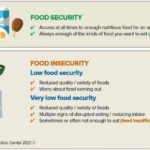
    We drive past miles of Alabama farmland every day—soybeans, cotton, and corn stretching to the horizon—yet we know neighbours who haven’t tasted a fresh tomato in weeks. That stark contradiction sits at the heart of our rural health crisis. When we talk about hunger in the Black Belt, we are not simply describing empty stomachs. We are describing a barrier to wellness so profound that it undoes our best efforts at preventive care. A person who does not know where their next meal is coming from will rarely prioritise a blood pressure check, and a grandmother relying on tinned meat and crackers is not simply underfed—she is being systematically pushed toward diabetes and heart failure. Food insecurity is a clinical risk factor hiding in plain sight.

    More Than Hunger: Food Insecurity as a Clinical Risk Factor

    We have long treated hunger as a social issue, separate from the sterile world of stethoscopes and waiting rooms. That separation is a clinical error. Inconsistent access to nutritious food directly undermines medical treatment. The 2023 Feeding America Map the Meal Gap study revealed that over 730,000 Alabamians are food insecure, with rates in some rural counties exceeding 20 per cent. These are not just statistics; they are missed appointments and unmanaged A1C levels.

    Our community health workers see it constantly: a patient diagnosed with hypertension forgoes their medication because taking pills on an empty stomach causes dizziness and nausea. Another individual skips a mammogram because the fuel money needs to stretch to cover the cheapest possible groceries. The growing ‘Food is Medicine’ movement argues that a healthy diet is as critical as any pharmaceutical, and our experience on the ground confirms this. Without addressing the nutritional void, we are simply prescribing into a vacuum.

    The relationship between diet and disease forms a cruel, closed loop. A diet heavy in refined carbohydrates and sodium—the most affordable and accessible options in underserved areas—directly fuels hypertension and type 2 diabetes. Once these conditions take hold, the physical fatigue and cognitive fog they cause make it exponentially harder to shop for and prepare fresh meals. We witness patients trapped in a metabolic spiral: the disease makes them too exhausted to cook, so they reach for ultra-processed convenience foods, which in turn worsens the disease. Breaking this cycle requires intervention that targets the plate, not just the prescription pad. Preventive screenings also operate on a hierarchy of needs that public health often ignores. When a parent faces the immediate, visceral stress of a bare pantry, scheduling a colonoscopy feels like an abstract luxury. The mental bandwidth consumed by food scarcity leaves little room for proactive self-care. If we want to improve screening rates in rural Alabama, we must first stabilise the dinner table.

    Mapping the Gaps: Food Deserts and Rural Alabama Realities

    The geography of the Black Belt conspires against health. Vast stretches of fertile soil are devoid of grocery retailers, creating a landscape where the nearest source of fresh produce is often a 30-mile round trip away. This is not a minor inconvenience; it is a structural barrier that dictates dietary outcomes. In our service area, the closure of a single independent grocer can plunge an entire community into a food desert overnight, leaving residents with no alternative but the processed inventory of dollar stores.

    Reliable personal transport is a privilege many of our patients do not possess. Public transit is virtually non-existent in rural counties, meaning that a trip to a full-service supermarket requires a car, fuel money, and often hours of time that a working family simply does not have. For an elderly patient managing arthritis or a single mother juggling shifts, that distance becomes insurmountable. The result is a reliance on what is close, cheap, and shelf-stable—none of which supports preventive health. In dozens of rural Black Belt towns, Dollar General has become the de facto primary food retailer. Their cold cases are dominated by processed meats, frozen pizzas, and sugary drinks. The shelf-stable aisles offer tinned meat, boxed macaroni, and salty snacks. The clinical consequence is clear: a diet built from these shelves directly contradicts the dietary guidelines we hand out in clinics. You cannot manage hypertension on Vienna sausages and potted meat.

    The False Economy of Cheap Calories

    On a restricted budget, the mathematics of survival favours calorie density over nutrient density. A family can purchase 2,000 calories of processed carbohydrates for a fraction of the cost of 2,000 calories of lean protein and fresh vegetables. This is the false economy of food insecurity, and it is driving rural Alabama’s chronic disease epidemic. When SNAP benefits run low toward the end of the month, families confront what we call the ‘hunger cliff’—a period where food intake drops sharply or shifts entirely to the cheapest possible fillers. This cyclical deprivation and refeeding on poor-quality calories wreaks metabolic havoc.

    Ultra-processed food is engineered for overconsumption and rapid absorption, spiking blood glucose and promoting systemic inflammation. For a patient we are trying to keep pre-diabetic through lifestyle intervention, a diet reliant on boxed meals and sugary beverages makes that goal physiologically impossible. The sodium load alone from processed staples can render blood pressure medication less effective, leading to dose escalations and frustrating clinical visits that address symptoms without touching the root cause. We teach practical strategies that work within real-world constraints. Frozen vegetables retain their nutrient profile and cost significantly less than fresh. Dried beans and lentils provide protein and fibre at a fraction of the price of meat. Buying seasonal produce from local farmers’ markets, where SNAP benefits are often doubled through incentive programmes, stretches the monthly allocation further. These are survival tactics our community health workers share during home visits, helping families navigate the hunger cliff without sacrificing their metabolic health.

    From Seed to Screening: Our Team’s Grassroots Integration Model

    We have stopped waiting for supermarkets to arrive. Our approach merges preventive health directly with food access, creating a seamless pathway from farm to clinic. By embedding food production into the healthcare landscape, we are treating nutrition as a vital sign. Our community vegetable gardens, co-located at rural clinics, serve as both a source of produce and a teaching space. Meanwhile, our Produce Prescription pilot collaborations with Alabama farmers allow clinicians to write a prescription for fresh vegetables that can be filled at a local farm stand, closing the loop between the exam room and the dinner table.

    A physician handing a patient a slip of paper that reads “two bunches of collard greens, one bag of sweet potatoes” may seem unconventional, but it is remarkably effective. Our Produce Prescription programme links clinics directly with Alabama growers, providing patients with vouchers that redeem for fresh, locally grown produce. This model reorients the clinical encounter around wellness rather than disease management. Early data from our pilot shows improved food security scores and a measurable uptick in patients returning for follow-up preventive screenings, because they now associate the clinic with nourishment rather than just bad news. The Black Belt sits on some of the richest soil in the American South, yet its residents are among the most diet-related disease burdened in the nation. We see community gardening as an act of reclamation. Our clinic gardens, tended by volunteers and patients alike, grow okra, peas, melons, and greens that are culturally familiar and nutritionally dense. This reconnection to the land restores a sense of agency and provides a buffer against the price volatility of distant supply chains.

    Building a Resilient Food System for Preventive Care Access

    No single programme can dismantle a system built on commodity crops and processed food margins. We need a resilient, locally controlled food system that treats nutrition as a public health utility. This demands cross-sector partnerships that bring healthcare providers, local farmers, and anti-hunger advocates under the same strategic umbrella. When a rural hospital signs a procurement contract with a nearby farm cooperative, it strengthens the local food economy while improving patient nutrition. When a food bank stocks fresh produce from Alabama growers, it becomes a preventive care partner. These connections are operational necessities we are building right now.

    State and federal policy must catch up to the reality on the ground. We advocate for permanent funding for Produce Prescription programmes through Medicaid waivers, allowing healthcare dollars to cover medically tailored groceries. SNAP incentive programmes at farmers’ markets need expansion to year-round availability, not just seasonal pilots. We also push for rural grocery investment funds that help independent stores modernise their cold storage, making fresh produce retail viable in small towns. Our community health workers are the connective tissue between policy and the pantry. They conduct home visits where they assess not just vital signs but refrigerator contents. They know which patients lack a working stove and which ones live within walking distance of a farm stand that accepts SNAP. This hyperlocal knowledge allows them to tailor interventions that actually stick. A worker might arrange a ride to a grocery store for a patient who has missed three appointments, understanding that the missed care was a transportation problem disguised as non-compliance.

    True preventive care demands that we fill plates, not just write prescriptions. The artificial divide between health and sustenance collapses the moment we listen to a hungry patient. We call on community members, clinicians, growers, and policymakers to join us in building a system where a diabetes diagnosis comes with a bag of fresh greens as readily as a vial of insulin. The soil beneath our feet holds the answer; we simply need the collective will to harvest it.

    Frequently Asked Questions

    • What is a food desert and how does it affect rural Alabama? A food desert is a geographic area where residents have limited access to affordable and nutritious food, typically because the nearest supermarket is more than 10 miles away in rural settings. In rural Alabama, some residents face a 30-mile round trip to purchase fresh vegetables. This forces reliance on corner shops and dollar stores that stock mostly processed, shelf-stable items, directly contributing to higher rates of diet-related chronic disease.
    • How does the ‘hunger cliff’ impact preventive health? The ‘hunger cliff’ refers to the period toward the end of the month when SNAP benefits run out and food intake drops sharply or shifts to the cheapest, least nutritious options. This cyclical pattern causes metabolic stress, spikes blood sugar, and increases inflammation. It also forces patients to choose between buying food and paying for medications or transport to medical appointments, directly undermining preventive care efforts.
    • What is a Produce Prescription programme? A Produce Prescription programme allows healthcare providers to prescribe fresh fruits and vegetables to patients managing diet-related chronic conditions or experiencing food insecurity. The prescription is redeemed as a voucher at participating farmers’ markets, farm stands, or mobile markets. Our pilot links clinics directly with Alabama farmers, ensuring the produce is locally grown, culturally appropriate, and part of a formal treatment plan.
    • Why is Dollar General so prevalent as a food source in the Black Belt? Dollar General has expanded aggressively into rural areas where traditional supermarkets cannot sustain profitability due to low population density and high operating costs. While these stores fill a convenience gap, their inventory is dominated by processed, shelf-stable foods with very limited fresh produce, making them an inadequate substitute for a full-service grocer from a preventive health standpoint.
    • How can I support food security and preventive health efforts in rural Alabama? You can support our work by donating to local food banks that prioritise fresh produce procurement, volunteering with community garden projects co-located at rural clinics, and advocating for policies that expand SNAP incentives at farmers’ markets. Purchasing from Alabama farmers and supporting farm-to-clinic initiatives strengthens the local food system. We also welcome partnerships from healthcare providers and growers who want to join our Produce Prescription network.

  • Applying for assistance: paperwork walkthrough

    Navigating the Maze: Our Paperwork Walkthrough for Rural Alabama Health Assistance

    We’ve sat at the kitchen table staring at a confusing stack of forms, and we know that applying for health assistance in rural Alabama can feel more daunting than a diagnosis itself. Our team has helped families from the Tennessee Valley to the Wiregrass, and we’ve seen how a single missing signature can delay a child’s well visit or a mother’s prenatal care. This guide isn’t just about filling in blanks—it’s about turning paperwork into the first step on your preventive care journey.

    Gathering Your Arsenal: The Essential Paperwork Checklist

    Before you ever put pen to paper, you need to gather the right documents. Miss one item and your application could stall for weeks—time that a preventable condition might not be able to spare. Here are the non-negotiable pieces of the puzzle, with a special eye toward the requirements of the Alabama Department of Public Health and rural realities like intermittent post.

    Proof of Identity and Residency in the Black Belt

    For any state health programme—whether it’s AllKids, SOBRA Medicaid for pregnant women, or a Medicare Savings Programme—you’ll need to show who you are and where you live. Acceptable items include:

    • A current Alabama driver’s licence or non-driver photo ID
    • A utility bill (electric, water, or gas) dated within the last 60 days
    • A signed lease agreement or a letter from your landlord
    • A property tax receipt if you own your home

    We’ve found that families in the Black Belt often rely on a water bill from the local rural water authority, as it shows both name and physical address—something a P.O. box cannot do. If your photo ID has a different address, bring a second proof of residency; caseworkers at county health departments are strict about matching documents.

    Income Verification: Why Bank Statements Aren’t Always Enough

    When it comes to proving your income, the Alabama Department of Public Health (ADPH) frequently insists on a physical pay stub rather than a digital screenshot from your mobile phone. This comes as a surprise to many working families who have gone paperless. We recommend requesting a printed wage statement from your employer at least once a month. If you’re self-employed or work irregular hours, a signed letter from the person who pays you, plus a recent bank statement, can sometimes fill the gap—but never assume a bank statement alone will satisfy an eligibility specialist. For seasonal work like catfish processing or timber harvesting, keep a personal ledger of hours and earnings, because the next job might be miles away when the agency finally asks for proof.

    Insurance Cards and Medicare/Medicaid Numbers

    Bring every insurance card you have, even if you think a policy has lapsed. The state’s systems will cross-check coverage, and failing to list a secondary insurance can trigger a denial for duplicate benefits. If you have a Medicare card or a Medicaid ID number, have it to hand. We also suggest making a note of your primary care doctor’s name and clinic address—this helps the application assister link you to the preventive care services you need right away.

    Decoding the Lingo: Translating Bureaucratic Jargon into Plain English

    Health assistance paperwork is packed with terms that seem designed to confuse. We believe you cannot protect your family’s health if you do not understand the words on the page. In this section, we crack open the language of AllKids and SOBRA Medicaid so you can walk into a County Health Department office with confidence.

    ‘Medically Needy’ vs. ‘Categorically Needy’: A Practical Definition

    Under Alabama Medicaid, “categorically needy” covers groups like low-income children, pregnant women, and adults receiving Supplemental Security Income (SSI). If you fall into one of these boxes, you qualify based on status alone. “Medically needy,” on the other hand, is for individuals who have too much income to fit the standard categories but whose medical bills are so high that they effectively drain their resources. In rural Alabama, this often applies to families dealing with chronic conditions such as diabetes or sickle cell disease, who must “spend down” a certain amount each month before coverage kicks in. For preventive care access, knowing which group you are in determines whether your well-woman exam or vaccination is covered immediately or only after you meet a spend-down threshold.

    What ‘Presumptive Eligibility’ Means for Your Immediate Community Health

    Presumptive eligibility is a short-term pass that allows you to receive outpatient health services while your full Medicaid application is being reviewed. Qualified hospitals and community health centres can grant this status on the spot, based on a quick assessment of your income and household size. This is especially meaningful in places like Selma and Demopolis, where a pregnant woman can walk into a clinic, receive a presumptive eligibility determination, and start her prenatal vitamins that same day—without waiting for the mail to bring an approval letter. Our team urges every expectant mother to ask about this option, as it is a cornerstone of community health and timely preventive care.

    The Step-by-Step Walkthrough of the Alabama Medicaid Application

    We have guided neighbours through the standard Alabama Medicaid application form more times than we can count. The paper version may be old-fashioned, but it is still the lifeline in areas where the MyAlabamaGov online portal is a spinning wheel of frustration. Today we focus on the sections that trip up the most rural families.

    Navigating the Assets Section Without Losing Your Mind

    Section 6 asks about your household’s assets. Many applicants panic because they own a single family vehicle or a few acres of timberland that have been in the family for generations. Here is the good news: under most Medicaid categories for children and pregnant women, the asset test has been eliminated. Even for older adults and people with disabilities, Alabama exempts your primary home, one vehicle, and personal belongings. The small acreage of timberland, however, can be a sticking point if it generates income or is not attached to your home. We recommend listing the property but clearly marking it as “non-income-producing timberland” if that is the case, and attaching a brief note of explanation. Never leave a blank space; an incomplete answer can be read as an attempt to hide assets and delay your application.

    Reporting Seasonal Agricultural Income Correctly

    Farming families and those who work in forestry or catfish plants often have income that fluctuates wildly. The application asks for your “current monthly income,” but a single month’s pay stub from peak summer berry picking could make you appear ineligible when your annual income is actually well within the limits. Our advice: when applying in person, bring three to six months of pay stubs and ask the eligibility worker to average them. If the worker is unwilling, you have the right to submit a written statement explaining the seasonal nature of your employment. The SOBRA Medicaid expansion for pregnant women is particularly sensitive to income averaging, as it aims to cover women whose pregnancy-related needs might otherwise go unmet.

    Finding In-Person Help When the Website Won’t Load (And It Usually Won’t)

    Broadband dead zones are a fact of life across rural health Alabama areas. The MyAlabamaGov portal may work fine in Montgomery, but in the backroads of Perry County or the hills of Fayette County, a dropped connection can erase an hour’s work. That is why we always recommend in-person assistance as your Plan A, not a fallback.

    Locating Your County Health Department Assister

    Every county in Alabama has a health department office, and most have at least one application assister trained to help with Medicaid, AllKids, and SOBRA paperwork. These staff members understand the quirks of the system—they know, for instance, that a handwritten landlord letter needs a live signature, not a typed name. To find your nearest office, dial the Alabama Department of Public Health’s main line or stop by a local library and ask a staff member to look up the address for you. We have seen library workers photocopy entire application packets and even provide a quiet room to fill them out.

    Leveraging Community Health Centers Like Whatley Health Services

    Federally Qualified Health Centres are gems in the rough. Whatley Health Services, which operates clinics across West Alabama in places like Tuscaloosa, Greene County, and beyond, offers enrolment assistance alongside primary care. Their certified application counsellors can walk you through the same forms you would face alone at home, but with the added benefit of immediate follow-up if something gets kicked back. Because they are embedded in the community, they also understand local barriers—like the fact that a family in Demopolis might share a single mobile phone and lack a dedicated email address. We urge you to treat your local community health centre as a one-stop shop for both paperwork and preventive care.

    What Happens Next: The Waiting Game and Appeals Process

    Once your application is submitted, the federal processing window is 45 days for most Medicaid categories, though disability-related applications can take up to 90 days. During this period, keep a copy of everything you turned in and note the date of submission. If you applied through a county health department, ask for a stamped receipt—it is your proof that the clock has started ticking. For families relying on continuous preventive care access, this waiting period can feel endless, but there are steps you can take to protect yourself.

    Tracking Your Application Status Without a Computer

    Without reliable internet, checking your status online is not an option for many rural households. Instead, call the Alabama Medicaid Agency’s toll-free recipient hotline. Have your case number or Social Security number ready, and be prepared to wait on hold—mornings tend to be quieter. If you used an application assister, they can often check the status through their own portal and give you a verbal update. We also recommend keeping a simple notebook log of every call, including the date, the name of the person you spoke with, and what they told you. This record becomes invaluable if your case stalls.

    How to File a ‘Fair Hearing’ Appeal in Alabama

    If your application is denied or your coverage is terminated, you have the right to request a fair hearing. The denial letter will include a deadline—usually 30 days from the date of the notice—and instructions for filing. Do not delay. You can submit your hearing request by mail, fax, or in person at your local county Department of Human Resources office. In your request, clearly state that you want a fair hearing, include your case number, and briefly explain why you believe the decision was wrong. You can bring a representative, such as a family member or a legal aid attorney, to the hearing. Many rural residents win their appeals simply because they provide the missing documentation that was requested but never received in the post. Continuous preventive care access often hangs on this appeal, so treat it as seriously as any medical appointment.

    We know the paperwork maze can feel overwhelming, but you do not have to walk it alone. From the first document you gather to the final appeal you file, community health is built on persistence and neighbour helping neighbour. Keep your papers organised, ask every question that crosses your mind, and remember that preventive care is worth every stamp you lick and every form you sign.

    Frequently Asked Questions

    What documents prove Alabama residency if I don’t have a driver’s licence?

    A utility bill, signed lease, or property tax receipt in your name will usually suffice. If you live with a relative and have no bills in your own name, ask that person to write a signed statement confirming you reside at the address, and pair it with their own proof of residency.

    Can I apply for AllKids if my child already has another insurance policy?

    Yes, but you must report the other coverage. AllKids is designed to cover children who are uninsured or underinsured, and the programme will coordinate benefits with the existing policy. Failing to disclose other insurance can lead to a denial or a future repayment demand.

    What if I miss a pay stub from seasonal farm work?

    Submit what you have and include a written explanation of the missing weeks. The eligibility worker may accept a signed statement from your employer or a personal ledger. The key is to be transparent—gaps in income are common in agricultural work, and honesty prevents accusations of fraud.

    How long does a fair hearing decision take?

    After you file your appeal, a hearing is typically scheduled within 30 to 45 days, and a written decision usually follows within 90 days of the hearing date. If your situation is urgent—for example, a denial of coverage for an ongoing treatment—you can request an expedited hearing.

    Where can I get free help filling out the application?

    County health departments, Federally Qualified Health Centres like Whatley Health Services, and many local libraries offer free, in-person assistance. These organisations employ trained application assisters who know the state’s forms inside and out and will not charge you a penny for their help.

  • Hello world!

    Welcome to WordPress. This is your first post. Edit or delete it, then start writing!